Skip Hire in Abbey Wood for practical waste removal on domestic and commercial projects
Skip hire in Abbey Wood gives households, landlords, trades and site managers a straightforward way to keep waste under control when work starts to generate more material than a car or bin system can comfortably handle. Our service is centred on clear loading capacity, sensible collection planning and disposal that suits mixed project waste, so customers can keep moving without letting rubble, timber, packaging or general junk build up around the property. The aim is simple: provide the right container, for the right job, with a process that is easy to understand.
We support a range of project types, from interior clear-outs and garden work through to building, refurbishment and strip-out tasks. That includes options that are better suited to builders’ waste, broader household jobs, and collections where the load is mostly lighter, mixed or bulky material. The practical choice depends on what you need to move, how much space is available for placement, and how the waste will be loaded over the course of the job. Choosing the right skip size helps avoid unnecessary disruption and makes disposal more efficient.
If you are comparing options, it is worth starting with the likely waste type, the access at the property and the time you expect to need the container. You can request a quotation once you have a clearer view of those basics. If you prefer to begin with the available sizes and typical uses, the skip sizes and prices page is a useful place to look first.
Domestic waste from home clearances, garden jobs and one-off projects
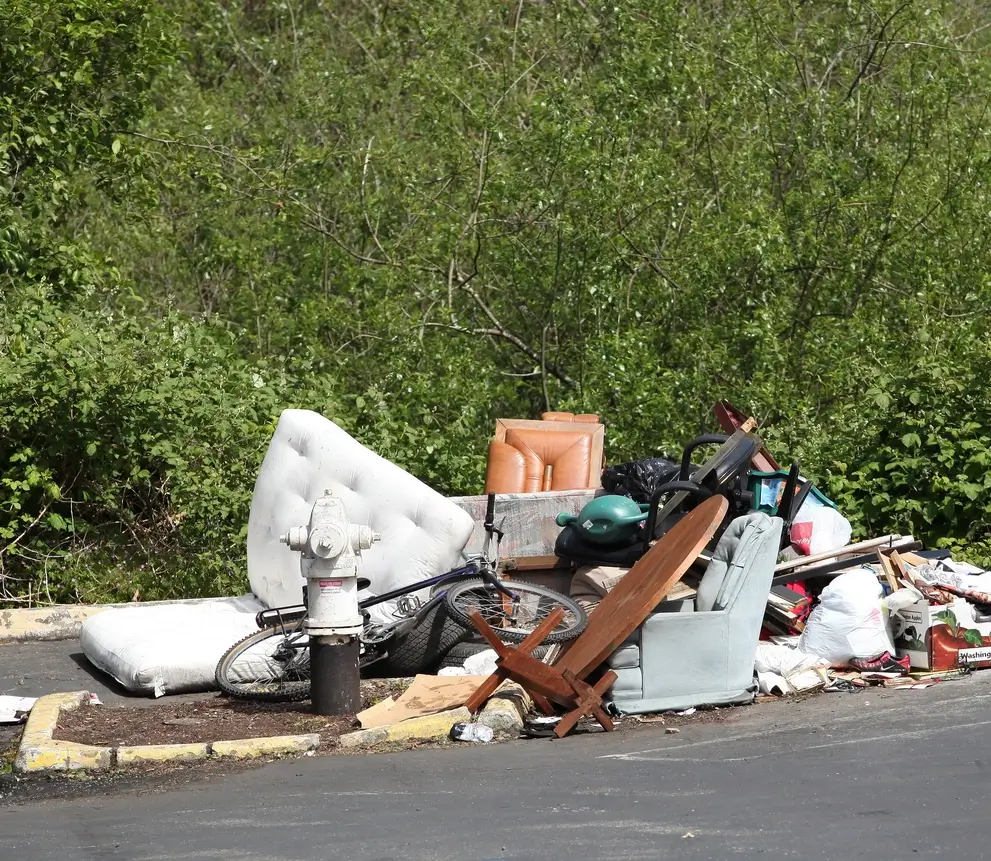
Domestic skip hire is often chosen for jobs that produce a steady flow of items rather than a single load. That may include room clear-outs, replacement of old fixtures, broken furniture, packaging from deliveries, or material gathered during redecorating. A skip can keep waste in one place while the work continues, which is especially helpful when several people are sorting different rooms or moving items out in stages. The service is designed to stay practical rather than complicated.
For households, the most important decisions are usually about volume and waste mix. A smaller container may suit light clear-outs, while more substantial refurbishment waste can call for a larger option or a different collection method. If the load is mostly garden waste, there may be more suitable choices than a general mixed waste container, so it is sensible to consider the main material before you book. Planning the load early helps avoid changes later on.
What people often use it for
Domestic customers commonly use skip hire for loft decluttering, garage sorting, kitchen replacement waste and similar tasks where the material adds up quickly. Typical loads can include timber, plasterboard, packaging, broken household items and general non-hazardous rubbish. For jobs with a lot of soil, rubble or heavy fragments, it can be better to mention that at the quotation stage so the most appropriate option is supplied. If you need to compare the route for a single property clearance, the house clearance page can help you understand the wider service range.
Waste from building work, refurbishments and site activity

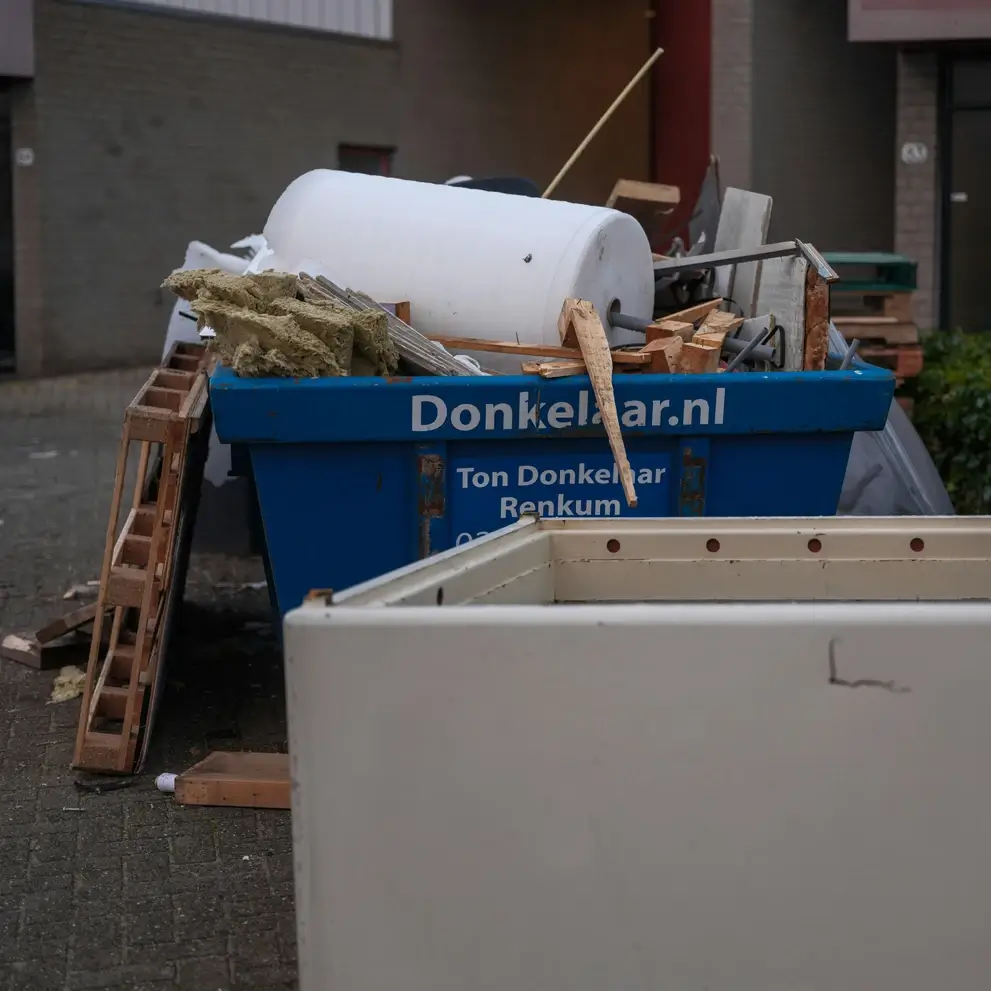
Trade waste needs a more structured approach because it often builds up quickly and can include dense materials that are awkward to move by hand. Skip hire is commonly used for extensions, refurbishments, demolition prep, roofing work and general building tasks where rubble, timber, packaging, old fittings and offcuts need to be collected as work progresses. Our service is intended to keep the site tidy and give crews a defined place for waste without repeatedly interrupting the job.
For this kind of work, material type matters as much as quantity. A load made up mainly of brick, concrete or soil behaves differently from a mixed clear-out, and some items require separate handling. That is why customers often review the options for construction waste disposal alongside the broader skip choice. If the project is a strip-out or partial demolition, it can also be worth looking at demolition waste removal so the disposal method matches the actual material.
We also support larger or more routine commercial jobs where there is a steady flow of material rather than a single day’s clearance. In those cases, the container needs to fit the pace of the work and the available access, especially where vehicles, operatives and stored materials are sharing the same area. If the project includes multiple waste streams, a planned approach can help keep the site compliant and easier to manage.
Choosing the right container and planning access
Skip hire works best when the container is selected with the site layout in mind. Access width, surface type, where the vehicle can stand and whether the waste will be loaded from the front, side or rear all make a difference. A clear, level placement is usually easier for both domestic and commercial users, while tight driveways or shared access routes may require more thought before booking. The aim is to fit the skip to the job rather than force the job to fit the skip.
There are also practical limits that customers should check before they order. Weight distribution, material restrictions and the amount of time the skip will need to remain on site all influence the result. If the waste is likely to be bulky, dense or mixed with items that need separate treatment, it is better to discuss that early. For customers comparing methods, wait and load skip hire can be worth considering where a container cannot remain in place for long.
- Check the main waste type before booking.
- Make sure there is enough clear space for delivery and collection.
- Keep heavy material spread through the load rather than concentrated in one corner.
- Separate items that may need specialist disposal.
- Allow for access if the skip will be used over several days.
When a quicker or more specialised collection method is preferable

Not every project is best served by a standard skip, even when waste volumes are high. Some sites are too restricted for a container, while others generate material that is easier to lift, sort and remove directly. In those cases, the service can be better matched to a grab-style collection, a man-and-van clearance or a specific waste stream. The right approach depends on access, speed, load type and whether the material is being gathered all at once or over time.
For bulk loose material such as soil, hardcore or spoil, a direct collection method can be more efficient than leaving a container in place. For locations where space is limited, grab hire services may be a stronger fit, while a smaller, faster clear-up may be better served by man and van support. These choices are not about upselling; they are about matching the disposal method to the site conditions and the waste itself.
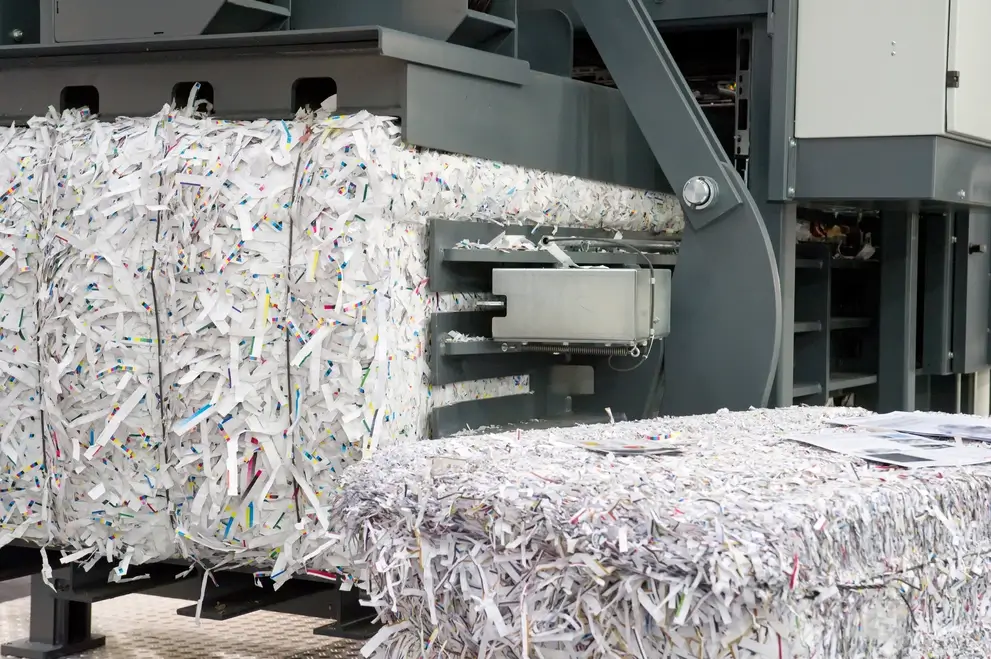
Specialised items also need a separate decision. Appliance disposal, confidential paperwork, bulky furniture or hazardous material each follow different handling rules and should not be treated as ordinary mixed rubbish. Where the load contains items that need more careful routing, it is sensible to select a specific service rather than rely on a general container. That keeps the process cleaner and reduces avoidable sorting later on.
Project types we commonly help with
Different jobs create different waste patterns, so the service needs to stay flexible. Some customers need a container for a single burst of clearance work, while others need a solution that supports repeated loading as a project develops. The same basic hire arrangement can work across many settings, but the choice of size and waste category should always reflect the task rather than a broad assumption. Clear planning at the start makes the rest of the job easier.
Typical uses include: home decluttering, bathroom or kitchen rip-outs, garden landscaping waste, office clearance, light commercial strip-out, builder’s rubble, packaging from deliveries, and mixed non-hazardous waste from refurbishment. If the material includes items better handled through a separate collection route, you may wish to compare the more specific pages for rubbish removal or office clearance before you decide. That can be helpful when the load is not a straightforward one.
Where a job produces reusable or recyclable material, sorting can help keep the collection orderly. Timber, cardboard, metals and inert material are often easier to manage when they are kept distinct from general rubbish. This does not mean every customer needs a carefully sorted site, but it does mean the waste should be thought about early. A little preparation often makes the hire more efficient and easier to collect.
About Abbey Wood
Abbey Wood is a district in south-east London, straddling the boroughs of the Royal Borough of Greenwich and the London Borough of Bexley. Its name is linked to Lesnes Abbey Wood, the historic woodland area connected with the medieval Lesnes Abbey founded in the 12th century. The modern district has grown around transport links and residential development, yet the area still retains a sense of green space through the woodland, local parks and tree-lined streets. The nearby Elizabeth line station has strengthened connections with central London, while Abbey Wood remains closely associated with its local high street, community facilities and everyday residential character. The woodland itself is a significant landscape feature, offering a mix of trails, wildlife habitats and historic interest that continues to shape the identity of the area. Elsewhere, the district includes post-war estates, newer housing and local shopping parades, reflecting layers of development rather than a single architectural style. As a result, Abbey Wood combines urban convenience with access to open space, and that blend has helped define it as a place with both a practical and a distinctive local atmosphere.
Skip permits, loading rules and what to check before booking
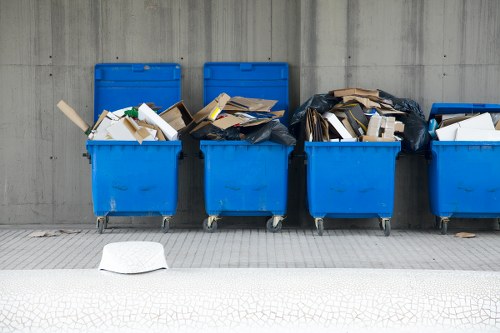
Depending on where the skip will sit, permit requirements may apply if the container is placed on a public road rather than on private ground. The exact arrangement matters, so customers should always think about location before confirming the order. If the container will be on a driveway or another private surface, the process is usually simpler, but access, turning space and the collection vehicle’s reach still need to be considered carefully. These points are best confirmed before the hire begins.
Waste rules are another important part of the booking conversation. Some items are unsuitable for general skip loading, while others may need to be separated from the main load. If you are unsure about what can be included, the what can go in a skip page is useful background. Customers sometimes also review skip permits when the placement is not entirely private, because that can affect both timing and responsibility for the arrangement.
The more clearly the job is described, the easier it is to match the right collection method. A brief outline of the main materials, the estimated amount and the site layout is usually enough to start. If the waste stream is unusual, mixed or likely to change during the job, it is better to mention that early rather than leave it to chance. Clear information supports a smoother hire and reduces avoidable changes later.
Managing larger clearances and site-wide waste
Larger clearances often involve several kinds of waste arriving at different times, which means the collection plan needs some flexibility. A site-wide clearance may cover timber, broken fixtures, hard landscaping waste, packaging and general debris all at once, but the load still benefits from sensible grouping. The goal is to keep the site usable while waste is removed in a controlled way rather than left to accumulate at the end of the project.
For customers handling substantial volumes, a general skip hire arrangement may be combined with other services depending on the material and access. Some projects suit a site clearance approach, while others involve specialised movement of loose spoil through muck away services. These options exist because not every clearance has the same shape, and choosing the best one can save time on the ground.
It is also sensible to think about whether the waste is likely to be generated in stages. If so, the collection schedule should allow enough room for progress without overfilling the container. Customers do not need to plan every detail in advance, but they do need a realistic view of how the work will unfold. That keeps the arrangement manageable and helps the disposal method support the project rather than slow it down.
Pricing factors and how quotations are usually shaped
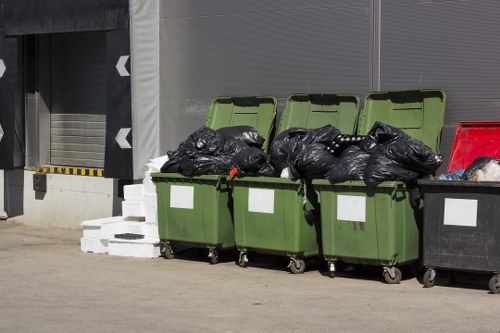
Skip hire pricing is typically shaped by the size chosen, the type of waste, the hire period and the practicalities of collection and delivery. Dense materials may create different handling requirements from light household rubbish, while restricted access or permit needs can affect the overall arrangement. Because of that, a quote is usually most accurate when it reflects the actual job rather than a generic description. That applies equally to domestic and trade customers.
To prepare a sensible quotation request, it helps to note the main waste type, the approximate amount, where the skip will be placed and whether the job is straightforward or likely to involve mixed material. You can also look at pricing and quotes for a general guide to how requests are handled. If the waste includes recyclable material or you are aiming to keep the load more orderly, the recycling and sustainability page explains the broader approach to waste handling.
Ask for a quotation when you are ready to compare the practical options for your project. If the load is unusual, bulky or likely to change during the work, a short description is enough to begin. For straightforward jobs, a simple outline of the waste and access is usually all that is needed to move forward.